
Incorrect
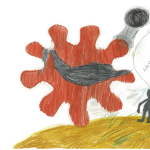
After every storm there are two dead stingrays found. If there are five storms every month, how many stingrays will found in a year?
A) 120
B) 125
C) 130

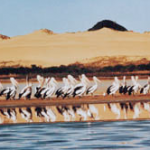
If Storm Boy finds four pelicans every month then how many pelicans will he find in a year?
A) 44
B) 48
C) 52

Storm Boy makes two storms in Goolwa every week. How many storms does he make every year?
A) 104 storms
B) 95 storms
C) 115 storms
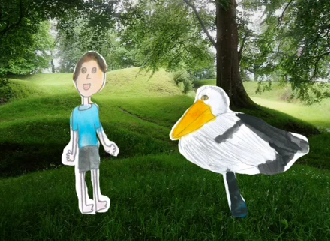
Do you want to know what Mr Percival would say if he could talk? Play this game,”Pelican Treasure”and you can find out.
Before you start, you will need to download the Board Game and the Instructions on how to play.
When you are ready, roll the dice and start. If you land on a Movie square, use the buttons below to decide what Mr Percival would say if he could talk.
Here is a link to another game. Pelican Survival Game
Would you like to explore other magical elements? Click on the links below.
A Magical Pelican
Imagine what would happen if Storm Boy turned into a pelican! Watch this magical movie to find out more.
If you’d like to watch another movie, click here to watch a movie about hunting.
3H News
For more fantasy and magic stories about Storm Boy and Mr Percival, click on one of the following links.
Storm Boy’s Storms
What if Mr Percival Could Talk?
Storm Girl
Who is Storm Boy? Click here to find out.
Who is Storm Boy?
http://sinps.lyrianfleur.com/wp-content/uploads/2013/06/Mr-Percival2.mov
http://sinps.lyrianfleur.com/wp-content/uploads/2013/06/Mr-Percival3.mov
By Jane
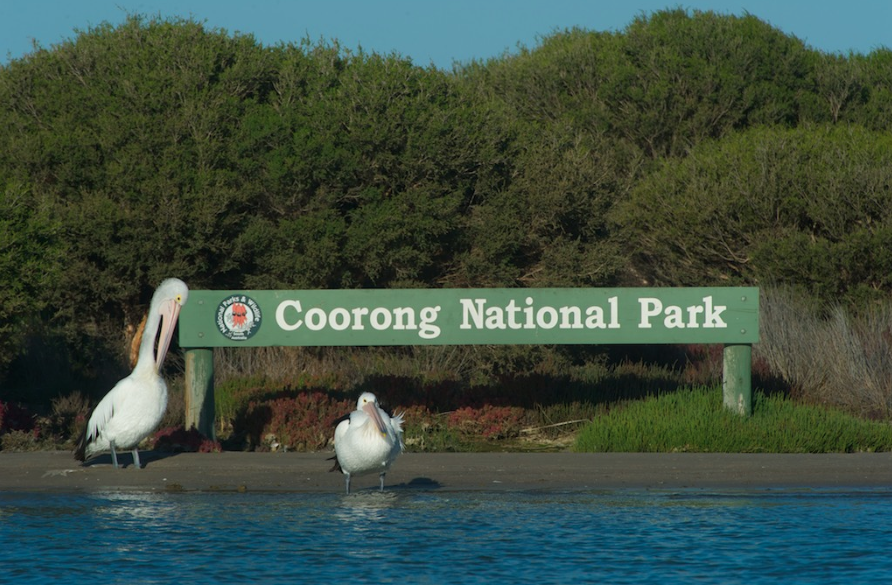
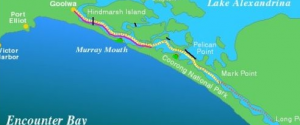
The Coorong National Park is a lagoon ecosystem 156km southeast of Adelaide. It is a long stretch of beach from the Mouth of the Murray River to the southeast coast of South Australia. It is a very unique wetland eco-system home to many animals.
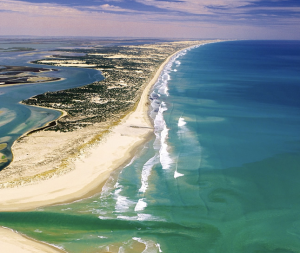 The Coorong is 140km long and 5km wide. Sloping sand-dunes adorn the middle and tussocks(grass) grow long. The Coorong is known to hold many fabulous creeks, lakes and lagoons. The lagoon is also 140km long, parallel to the ocean beach.
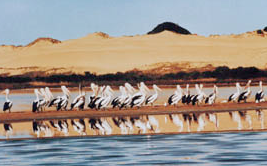 Animals roam the lands of the Coorong, varied in species. Some of the animals that dwell in those wetlands are grey kangaroos, wombats, echidnas and emus just to name a few. Birds also enjoy living there, shown by the humungous number of birds migrating there, from the northern hemisphere. Massive flocks fill the sky every day including pelicans, ducks, swans, terns, and much more.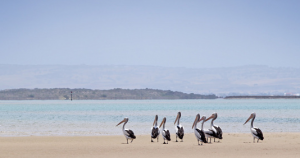
The local aboriginal people, the ngarrindjeri people lived there a long time ago. “Middens” are little piles of shellfish that are evidence of aboriginal life in the Coorong. The waters of the Coorong are also ideal for kayaking or canoeing. Fishermen enjoy the calm waters of the lakes and the famous coorong mullet. But the changes would prove hard for everyone living near it, and the people who shared such a close bond with the Coorong and its wildlife…
Lately, there has been a drought in the Coorong. The local farmers were using too much water for their crops and they almost forgot Australia is a very dry country and the Murray simply stopped giving as much water as before.
The Coorong dried out and was no longer considered a wetland. Some people even suggested taking the protection off! Fishes couldn’t survive as well because the saltwater from the sea was too plentiful and the freshwater that used to come trickling down from the Murray was reducing in quantity rapidly. Fortunately, it rained and saved everything, however we all need to be more mindful that this terrible tragedy could strike again. Stakeholders need to take action and ensure that our precious wetland stays up alive, well and thriving.
Now that you have found out about the Coorong, try this quiz. Quiz about the Coorong
If you want to do another quiz, click here for an ‘Animals of the Coorong’ quiz. Animals of the Coorong
Or here, for a ‘Raising Baby Birds’ quiz. Raising Baby Birds
Are you interested in information? Click here for information about humpies. Humpies